Joint Mobilization
Introduction
Stiff joints can quietly limit your life. Simple actions like reaching overhead, walking comfortably, joint mobilization or turning your neck may become painful or restricted. For many people, joint mobilization offers a safe, hands-on solution that restores movement and joint mobilization eases discomfort without surgery or medication. Used widely by physical therapists, chiropractors, and rehabilitation specialists, joint mobilization plays a key role in modern musculoskeletal care.
This in-depth guide explains what joint mobilization is, how it works, who benefits most, and why it remains a trusted treatment for improving joint health and overall function.
What Is Joint Mobilization?
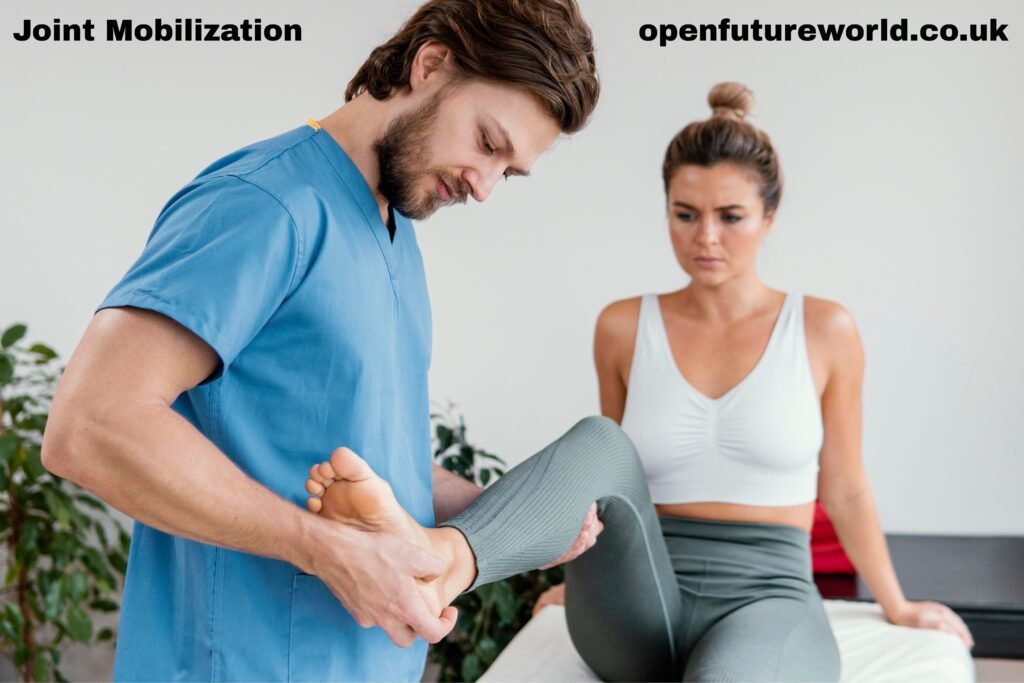
Joint mobilization is a manual therapy technique that involves skilled, passive movements applied to a joint. These movements are performed at varying speeds and intensities to improve joint motion, reduce pain, and restore normal movement patterns.
Unlike forceful adjustments, joint mobilization is controlled, gentle, and tailored to each patient’s condition. The therapist moves the joint within its natural range while the patient remains relaxed.
This approach is commonly used in rehabilitation settings to address joint stiffness caused by injury, overuse, poor posture, or degenerative conditions.
How JM Works
Healthy joints rely on smooth motion between bones, adequate joint fluid circulation, and balanced muscle support. When joints become restricted, several problems can develop, including pain, inflammation, and reduced mobility.
Joint mobilization works by:
- Improving the glide and roll between joint surfaces
- Stimulating joint receptors that reduce pain signals
- Enhancing synovial fluid movement for better joint lubrication
- Relaxing surrounding muscles and reducing protective tension
These effects help restore natural movement while supporting the body’s healing processes.
Types of JM Techniques
Joint mobilization techniques vary based on speed, depth, and therapeutic goal. Clinicians choose the approach based on the patient’s symptoms and diagnosis.
Low-Grade Mobilizations
These gentle movements are used primarily to reduce pain and inflammation. They are often applied in early recovery phases or when pain is severe.
Low-grade mobilizations focus on comfort and relaxation rather than increasing range of motion.
High-Grade Mobilizations
High-grade techniques involve larger, deeper movements within or at the edge of the joint’s available range. These are used to improve stiffness and restore lost mobility once pain levels allow.
They are especially effective for chronic joint restrictions.
Oscillatory Mobilizations
Oscillatory techniques involve rhythmic back-and-forth movements. These help decrease pain sensitivity and improve joint awareness while maintaining patient comfort.
Conditions That Benefit From Joint Mobilization
Joint mobilization is effective for a wide range of musculoskeletal conditions. It is commonly used as part of a comprehensive treatment plan.
Common conditions include:
- Osteoarthritis and age-related joint stiffness
- Frozen shoulder and shoulder impingement
- Neck pain and limited cervical mobility
- Lower back pain related to joint dysfunction
- Sports injuries involving joint restriction
- Post-surgical joint stiffness after clearance by a healthcare provider
When combined with exercise and patient education, JM can significantly improve long-term outcomes.
Joint Mobilization vs. Manipulation
Joint mobilization is often confused with JM, but the two techniques are different in both application and intent.
Joint mobilization is slow, repetitive, and controlled. It stays within the joint’s natural limits and emphasizes patient comfort.
Joint manipulation involves a quick, forceful movement at the end of a joint’s range. While effective in some cases, manipulation is not suitable for everyone.
Many clinicians prefer JM because it offers a safer, more adaptable option for diverse patient populations.
Benefits of JM
The benefits of joint mobilization go beyond short-term pain relief. When applied correctly, it supports long-term joint health and functional movement.
Key benefits include:
- Reduced joint pain and stiffness
- Improved range of motion
- Better movement control and coordination
- Faster recovery after injury
- Enhanced ability to perform daily activities
Patients often report feeling looser and more confident in their movements after just a few sessions.
Real-Life Example: Shoulder Mobility Recovery
Consider a middle-aged office worker with persistent shoulder pain from prolonged desk work. Limited overhead movement made daily tasks difficult, joint mobilization and exercise alone caused discomfort.
Through a combination of JMand targeted strengthening, shoulder motion gradually improved. Pain levels dropped, posture improved, and functional use of the arm returned within weeks.
This example highlights how hands-on care can unlock movement when muscles alone are not the primary issue.
What to Expect During a JM Session
A typical JM session begins with an assessment. The clinician evaluates posture, joint motion, pain patterns, and functional limitations.
During treatment:
- The patient is positioned comfortably
- The therapist applies gentle, controlled movements
- Feedback is encouraged to ensure comfort
- Techniques are adjusted based on response
Sessions often include therapeutic exercises afterward to maintain improvements gained through mobilization.
Is JM Safe?
When performed by a trained professional, JM is considered safe and effective. It is widely used in clinical practice and supported by research in physical therapy and rehabilitation.
However, it may not be appropriate for individuals with:
- Acute fractures
- Joint infections
- Severe osteoporosis
- Certain inflammatory or joint mobilization neurological conditions
A thorough evaluation ensures the technique is used appropriately and safely.
The Role of Exercise Alongside JM
Joint mobilization works best when combined with active movement. While mobilization restores joint motion, exercise strengthens muscles and reinforces proper movement patterns.
A balanced program may include:
- Range-of-motion exercises
- Strength training
- Postural correction
- Functional movement practice
This combination helps maintain results and reduces the risk of recurring stiffness.
JM in Sports and Active Lifestyles
Athletes and physically active individuals often use joint mobilization to enhance performance and prevent injury. Even minor joint restrictions can affect speed, balance, and coordination.
By restoring optimal joint movement, mobilization supports smoother mechanics and reduces unnecessary strain on muscles and tendons.
This makes it a valuable tool in both injury recovery and performance optimization.
Conclusion: Why JM Matters
Joint mobilization is more than a manual technique. It is a powerful, evidence-based approach to restoring movement, reducing pain, and improving quality of life. By addressing the root causes of it helps people move with confidence again.
If joint stiffness or pain is holding you back, joint mobilization consider consulting a qualified healthcare professional who offers as part of a personalized treatment plan. Taking action today can lead to better movement, less pain, and a more active future.
Frequently Asked Questions
What does JM help with?
Joint mobilization helps reduce pain, improve range of motion, and restore normal joint movement in conditions like arthritis, stiffness, and post-injury limitations.
Is JM painful?
Most people find comfortable. Techniques are adjusted to stay within pain-free or minimally uncomfortable ranges.
How long does it take to see results?
Some people feel improvement after one session, while others need several treatments depending on the condition and severity.
Can joint mobilization replace exercise?
No. Joint mobilization works best when combined with exercises that strengthen muscles and maintain improved joint motion.
Who should perform joint mobilization?
Joint mobilization should be performed by trained professionals such as physical therapists or licensed healthcare providers with manual therapy expertise.