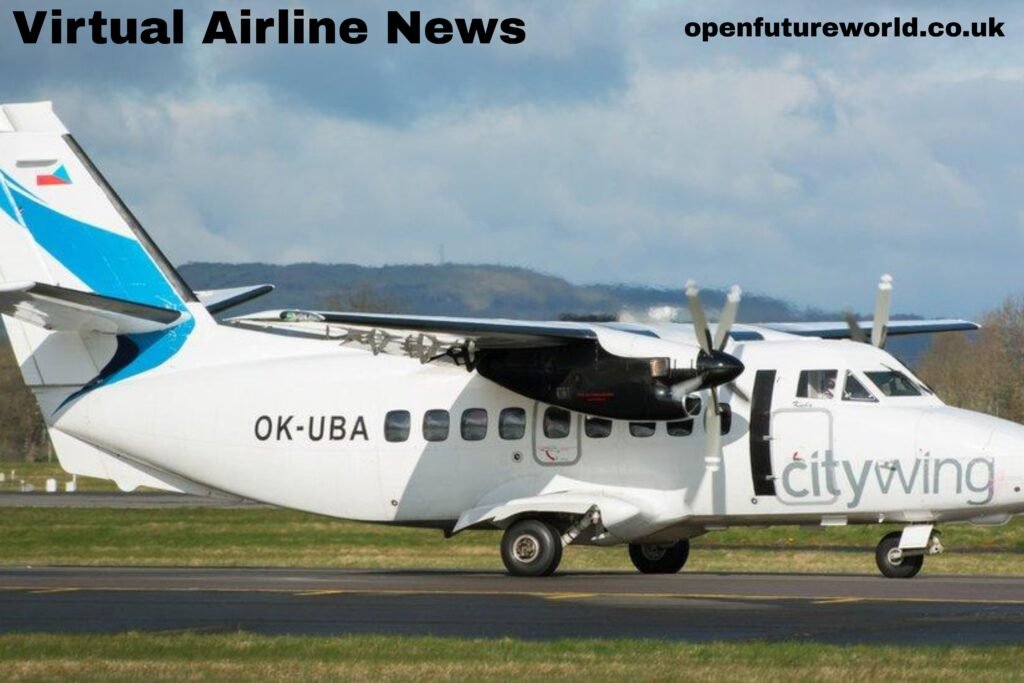
Virtual Airline News
Introduction
Virtual airline news has become a vital information source for flight simulation enthusiasts, aspiring pilots, and online aviation communities worldwide. As modern flight simulators reach near-professional realism, virtual airlines have evolved far beyond casual hobby groups. Today, they operate as structured, data-driven ecosystems that closely mirror real-world airline operations.
From major simulator updates and next-generation aircraft releases to advanced airline management platforms and global online aviation events, the virtual aviation landscape is constantly changing. Staying informed with reliable virtual airline news helps pilots improve realism, choose the right communities, and keep pace with rapid technological advancements. This article delivers a comprehensive, up-to-date overview of the most important developments, trends, and future directions in virtual airline operations.
A virtual airline is an online community that simulates real-world airline operations using flight simulator software. Members act as pilots, dispatchers, and managers, following realistic procedures and schedules.
What Is a Virtual Airline?
A virtual airline is an organized online community that simulates real-world airline operations using flight simulation software such as Microsoft Flight Simulator, X-Plane, or Prepar3D. Members take on realistic roles including pilots, dispatchers, trainers, and management staff, following real airline procedures and schedules.
Core Features of Modern Virtual Airlines
Most established virtual airlines include:
- Real-world or custom-built flight schedules
- Pilot ranks, certifications, and structured training programs
- ACARS-based flight tracking and performance validation
- Fleet management with aircraft-specific operating rules
- Community events, group flights, and online air traffic control
These features transform virtual airlines into immersive learning environments rather than simple games, blending aviation knowledge, discipline, and collaboration.
Key Characteristics of Virtual Airlines
Virtual airlines typically offer:
- Realistic flight schedules based on real-world airlines
- Pilot ranking systems and training programs
- Flight tracking using ACARS software
- Fleet management and route planning
- Community events and group flights
These features make virtual airlines more than just games. They are structured learning environments that combine aviation knowledge with community engagement.
Why Virtual Airline News Matters
Virtual airline news keeps pilots and aviation fans informed about changes that directly affect how they fly and interact online. New developments often influence simulator performance, realism, and community growth.
Growing Global Interest
The rise in remote hobbies and online communities has fueled interest in virtual aviation. According to community platform data, flight simulation user numbers have grown steadily since 2020, with thousands of active virtual airline pilots logging flights daily.
Staying updated helps pilots:
- Choose the best virtual airline to join
- Learn about new tools and simulators
- Participate in major virtual aviation events
- Improve realism and skills
Major Trends in Virtual Airline News
Increased Realism Through Advanced Simulators
Modern simulators like Microsoft Flight Simulator and X-Plane continue to push realism forward. Frequent updates improve weather systems, flight physics, and navigation data, which directly impacts virtual airline operations.
Virtual airlines now expect:
- Accurate fuel planning
- Realistic weather decision-making
- Proper adherence to air traffic control rules
This level of realism attracts both casual gamers and real-world aviation students.
Expansion of Virtual Airline Fleets
Recent virtual airline news highlights the expansion of digital fleets. Many virtual airlines now operate:
- Narrow-body aircraft for short-haul routes
- Wide-body jets for long-haul international flights
- Regional turboprops for feeder services
Some virtual airlines even simulate cargo-only operations, reflecting real-world logistics growth.
Improved Airline Management Software
Behind the scenes, virtual airline management systems have become more powerful. These platforms handle pilot logs, rankings, finances, and route profitability.
Popular improvements include:
- Automated flight tracking
- Detailed pilot performance analytics
- Integrated training modules
- Mobile-friendly dashboards
These tools enhance transparency and keep pilots motivated through measurable progress.
Community Events and Global Virtual Flights
One of the most exciting parts of virtual airline news is the rise of large-scale community events.
Online Fly-Ins and Group Operations
Virtual airlines frequently organize events such as:
- Anniversary fly-ins
- Seasonal holiday operations
- Emergency response simulations
- Long-haul endurance flights
These events often involve hundreds of pilots flying simultaneously, supported by live air traffic control networks.
Training and Mentorship Programs
Many virtual airlines now focus on education. New pilots can join mentorship programs where experienced members help them learn:
- Instrument procedures
- Airspace rules
- Airline standard operating procedures
This educational approach increases pilot retention and raises overall realism.
Virtual Airlines and Real-World Aviation Skills
Virtual airline news increasingly highlights the connection between simulation and real-world aviation learning.
Skill Development Through Simulation
Pilots often report improvements in:
- Situational awareness
- Navigation planning
- Radio communication
- Decision-making under pressure
Some flight schools even recommend simulation as a supplement to formal training, especially for instrument practice.
Career Inspiration
Many real-world pilots credit virtual aviation for sparking their interest in flying. Virtual airlines offer a low-cost way to explore aviation careers before committing to expensive training programs.
The Role of Technology in Virtual Airline Growth
Technology continues to shape virtual airline operations in meaningful ways.
Cloud-Based Infrastructure
Cloud systems allow virtual airlines to:
- Store large amounts of flight data
- Scale membership without performance loss
- Provide real-time updates to pilots
This reliability is essential for large international communities.
Artificial Intelligence and Automation
Recent virtual airline news points to increased use of AI tools, such as:
- Automated dispatch planning
- Route optimization
- Performance monitoring
These tools reduce administrative workload and allow staff to focus on community engagement.
Challenges Facing Virtual Airlines
Despite rapid growth, virtual airlines also face challenges that appear frequently in virtual airline news discussions.
Maintaining Engagement
Keeping pilots active over time can be difficult. Virtual airlines address this by:
- Offering regular events
- Updating fleets and routes
- Introducing seasonal challenges
Ensuring Fair Play
Some communities struggle with unrealistic flight reporting. Advanced tracking systems now verify:
- Flight time accuracy
- Aircraft performance data
- Route compliance
These measures protect the integrity of the experience.
Virtual Airline News and the Future of Digital Aviation
The future of virtual airlines looks promising as technology and community interest continue to grow.
Increased Cross-Platform Compatibility
Developers are working toward better compatibility between simulators, making it easier for pilots to switch platforms without losing progress.
More Realistic Global Operations
Future updates are expected to include:
- More accurate global traffic data
- Enhanced airport ground operations
- Deeper economic simulation
These improvements will make virtual airlines even closer to real-world carriers.
How to Stay Updated with Virtual Airline News
To remain informed, aviation enthusiasts should:
- Follow official simulator update announcements
- Join active virtual airline forums and communities
- Participate in online events and webinars
- Engage with experienced virtual pilots
Consistent learning ensures a better and more enjoyable virtual flying experience.
Practical Example: A Day in a Modern Virtual Airline
A typical virtual airline pilot today may:
- Log into a management portal
- Review weather and dispatch notes
- Plan fuel and alternate airports
- Fly a scheduled route under live air traffic control
- Submit flight data for performance review
This structured approach mirrors real-world airline operations and explains why virtual aviation continues to grow.
FAQs
What is the purpose of virtual airline news?
Virtual airline news keeps pilots informed about simulator updates, community events, new tools, and operational changes affecting digital aviation.
Are virtual airlines free to join?
Most virtual airlines are free, though some may require simulator software or optional premium tools.
Can beginners join a virtual airline?
Yes, many virtual airlines welcome beginners and provide training programs to help new pilots learn aviation basics.
Do virtual airlines use real-world flight schedules?
Many virtual airlines base their schedules on real-world airline data, adding realism to the experience.
Is virtual aviation useful for real pilot training?
While not a replacement for real flight training, virtual aviation helps improve procedural knowledge and situational awareness.
Conclusion
Virtual airline news reflects the rapid evolution of digital aviation communities. With increasing realism, advanced management systems, and global participation, virtual airlines are shaping how aviation enthusiasts learn, connect, and fly online.
As technology continues to advance, virtual airlines will become even more immersive and educational. Whether you are a beginner exploring flight simulation or an experienced pilot seeking realism, staying informed with virtual airline news helps you make the most of this dynamic world.