pirate software
Pirate Software: What It Really Means, Why People Use It, and Safer Alternatives
Pirate software has become a major part of online technology culture, drawing millions of searches every month. From cracked applications to shared license keys, the trend remains widespread—especially among people searching for quick access to premium tools. But behind the free downloads and appealing shortcuts, there’s a much bigger story. This guide breaks down what pirate software really is, why people use it, the risks involved, and what safer options exist today.
What Is Pirate Software?
Pirate software refers to any paid software that has been illegally downloaded, cracked, shared, or modified to bypass licensing restrictions. This includes applications that require activation keys, paid subscriptions, or one-time purchases. Most commonly, pirate software shows up as:
- Cracked versions of paid applications
- Key-generator tools
- License-sharing sites
- Modified installers
- Pirated productivity or creative tools
The term covers everything from operating systems and antivirus tools to high-end video editing or design software. While it may look like a simple shortcut, piracy carries both legal and security risks.
Why People Use Pirate Software
Despite the dangers, pirate software continues to rise online. People turn to these downloads for several reasons, and understanding these motivations helps us grasp the scale of the issue.
1. High Cost of Premium Tools
Prices for professional tools—such as editing suites or development software—can be expensive for students, freelancers, and beginners. This cost gap makes pirate versions appealing to people looking to learn or experiment without financial pressure.
2. Restricted Access in Some Regions
Some countries have limited access to certain digital tools. Currency differences, payment restrictions, and lack of localized pricing push users toward pirate downloads.
3. Immediate Availability
Pirated downloads often appear with no sign-up walls or payment screens. Users looking for fast gratification may choose them simply for convenience.
4. Curiosity and Trial Use
Some people download pirated tools just to test features before paying for the original version. While this isn’t a legal trial method, it’s a common behavior—especially among new learners or hobbyists.
The Hidden Risks of Pirate Software
The dangers of pirate tools are much bigger than just legal trouble. Most people underestimate how serious these risks can be until it’s too late.
1. Malware and Viruses
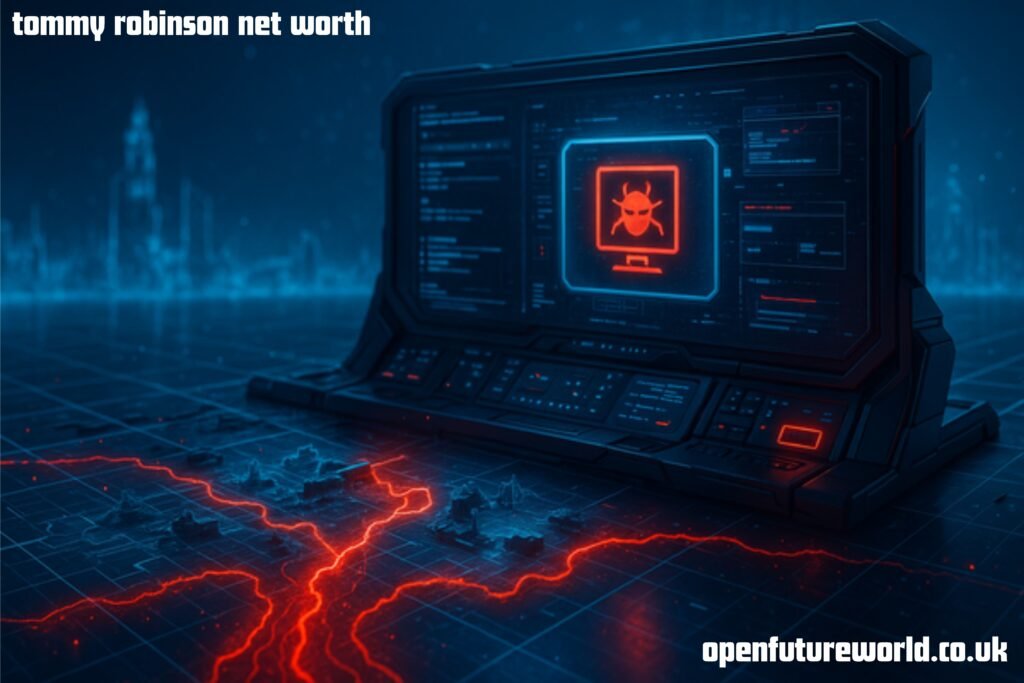
Cybersecurity studies show that over 70% of cracked software downloads contain hidden malware. These include:
- Spyware
- Ransomware
- Trojans
- Keyloggers (which steal passwords)
- Backdoor access tools
A free software download can easily turn into a security disaster, especially if it targets your browser, banking apps, or saved passwords.
2. Data Theft and Identity Fraud
Hackers often use pirated applications to access sensitive information. Once inside your computer, they can steal:
- Banking credentials
- Social media accounts
- Contact lists
- Personal photos and files
- Work documents
This risk is especially high because users typically disable antivirus software when installing cracked tools.
3. Unstable and Unsafe Performance
Pirated applications are modified versions. They often break during updates, crash frequently, or fail under heavy use. Creative professionals, developers, and students lose hours of work due to corrupted files or unexpected shutdowns.
4. No Customer Support or Updates
Official software developers cannot support illegal versions. That means no bug fixes, no new features, and no official help when something goes wrong.
5. Legal Consequences
Software piracy is illegal in most countries. Large companies—especially those in design, engineering, or technology—run automated systems to detect unauthorized software usage. Individuals may face:
- Fines
- Legal action
- Permanent bans from certain platforms
While everyday users aren’t usually targeted, small businesses and freelancers often face audits.
Real-Life Examples: How Pirate Software Causes Damage
To understand the real impact, here are a few real-world scenarios that frequently happen.
Example 1: The Student Who Lost a Portfolio
A design student downloaded a cracked editing tool for a school project. The tool crashed while saving, corrupting hours of work. With no customer support, the final project was never recovered.
Example 2: A Freelancer’s Computer Hacked
A freelancer installed a pirated productivity suite. The installer contained a hidden keylogger that stole login details for email and banking accounts. The hacker gained access to online payments, draining her funds.
Example 3: A Small Business Audited
A small company used pirated tools to cut costs. When the software vendor ran a license audit, the business faced legal fees and had to purchase official licenses under pressure, costing far more than proper licensing.
These stories illustrate that pirate software is never truly “free.”
Safer, Legal Alternatives to Pirate Software
The good news? You don’t need to risk your data or devices to access powerful tools. Many safe, legal, and affordable options exist today.
1. Freemium Tools
Many software companies offer free versions of their apps. These include powerful features without the high prices. Examples include:
- Free editing tools
- Free developer platforms
- Free cloud storage plans
Software like these provides reliable updates and stability without costing anything.
2. Open-Source Software
Open-source tools are completely legal, safe, and community supported. Popular open-source applications cover almost every category, including:
- Graphic design
- Programming
- Audio editing
- Productivity tools
- Antivirus solutions
These tools are widely trusted by developers, students, and professionals.
3. Subscription or Student Pricing
Many premium brands now offer affordable monthly plans, student discounts, or region-based pricing. This makes high-end tools accessible without resorting to illegal downloads.
4. Free Trials from Official Sources
Almost every major software developer offers trial periods. This lets you test everything with full support and zero risk.
5. Cloud-Based Alternatives
Today’s cloud apps run on browsers, offer automatic updates, and cost far less than traditional desktop software.
How to Protect Yourself From Pirate Software Online
Even if you’re not intentionally looking for illegal downloads, many pirated files appear in search engines, pop-ups, and social media ads. Protect yourself by following these steps:
- Download only from official websites
- Avoid clicking “free full version” links
- Use updated antivirus tools
- Never disable security settings to install unknown files
- Check verification badges on software distributor pages
- Avoid torrent sites and cracked keys
Simple precautions can save you from costly mistakes.
Pirate Software in Today’s Digital World
The rise of online learning, freelancing, and remote work has increased demand for digital tools. This growth has also increased piracy rates. With millions searching every day for free software versions, it’s important to understand the dangers and make informed choices.
At the same time, developers are becoming smarter. Many now use cloud-based license checks and instant ban systems. This means pirate tools are less stable and more risky than ever before.
As awareness grows, more people are turning to free, legal, and open-source solutions instead of pirated ones. This shift benefits everyone—from users who want security to developers who can continue improving their software.
Conclusion: Choose Safety, Security, and Legal Options
Pirate software may look like an easy shortcut, but behind the “free” offer are hidden risks, legal issues, and major security threats. Whether you’re a student, freelancer, business owner, or hobbyist, choosing legal alternatives protects your device, your data, and your long-term success.
If you want safer, free, and reliable tools for your projects, start exploring open-source and freemium software options today. They offer the features you need—without compromising your privacy or violating the law.
FAQs About Pirate Software
1. What is pirate software?
Pirate software is illegally downloaded or modified software used without paying or activating a proper license.
2. Is pirate software dangerous?
Yes. Most pirated files contain malware, spyware, or ransomware that can steal personal information or damage your device.
3. Can you get in legal trouble for using pirated software?
While individuals are less likely to be directly targeted, piracy is illegal and can lead to fines or legal action—especially for businesses.
4. Are there safe alternatives to pirate software?
Yes. Freemium tools, open-source software, cloud apps, and official free trials offer safe and legal alternatives.
5. Why do people still use pirate software?
Many users do it due to high prices, limited regional access, or convenience—but most are unaware of the risks involved.