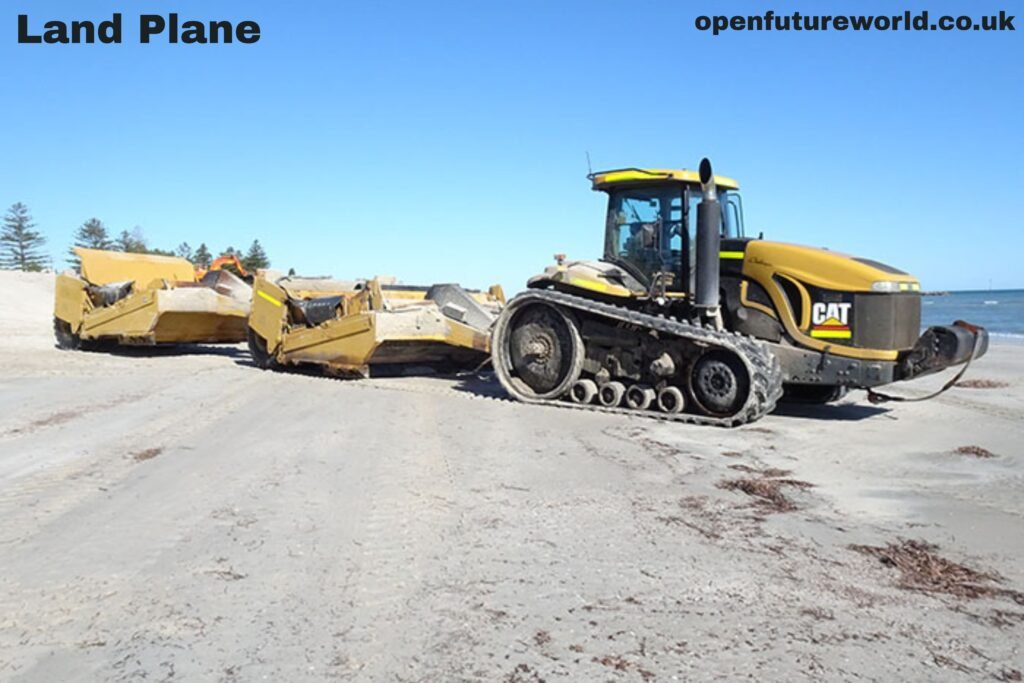
Land Plane
Introduction
If you’ve ever struggled with uneven gravel driveways, rutted farm roads, or bumpy land that never seems to stay level, a land plane might be exactly what you need. This simple yet powerful implement has become a favorite among farmers, property owners, and contractors because it delivers professional-level results without complex operation.
In this guide, you’ll learn what a land plane is, how it works, where it performs best, and how to choose the right one for your needs. Whether you manage a large rural property or just want a smoother driveway, this article will help you make an informed decision.
What Is a Land Plane?
A land plane is a tractor attachment designed to level and smooth surfaces such as gravel roads, driveways, parking areas, and open land. It attaches to a tractor’s three-point hitch and uses fixed or adjustable blades to cut high spots and redistribute material evenly across low areas.
Unlike box blades or graders, a land plane focuses on continuous smoothing rather than aggressive digging. This makes it ideal for maintenance work where consistency and finish quality matter most.
How a Land Plane Works
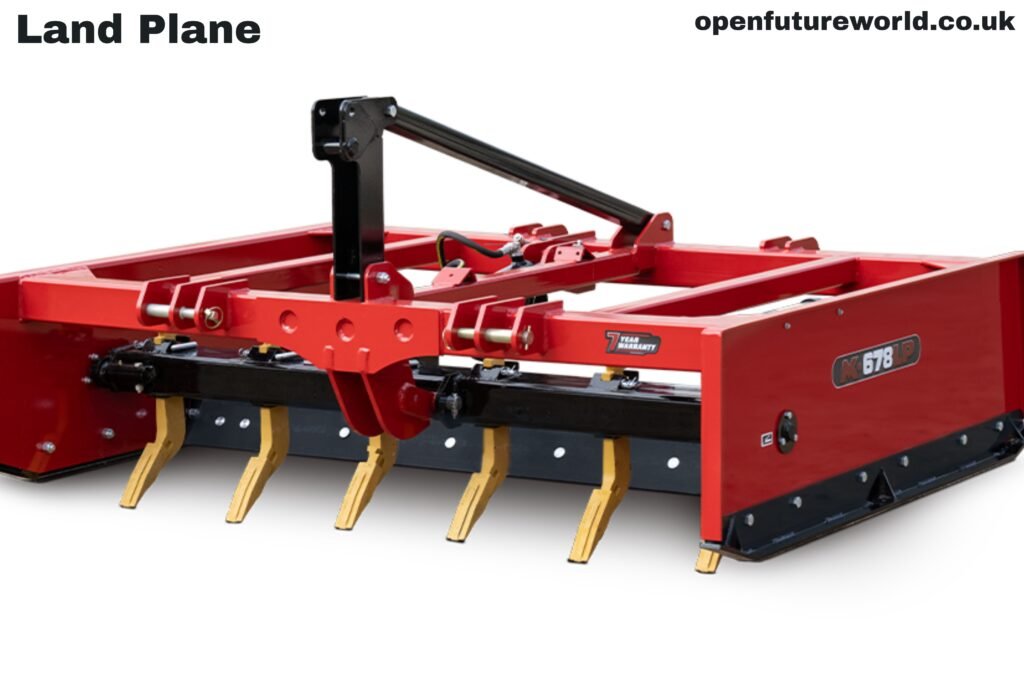
A typically features two or more blades mounted inside a steel frame. As the tractor moves forward, the blades shave off high points and spread the loosened material across low spots. The long frame helps average out surface variations, resulting in a flat, uniform finish.
Key Working Principles
- The front blade cuts and loosens material
- The rear blade smooths and redistributes it
- The frame length controls how evenly the surface is leveled
- Tractor weight and speed influence final results
Because it doesn’t rely on hydraulic adjustments while operating, a land plane is easy to use even for beginners.
Main Components of a LP
Understanding the parts helps you evaluate quality and performance.
Frame
A heavy-duty steel frame adds stability and prevents flexing, which is critical for consistent leveling.
Blades
Most land planes use hardened steel blades. Some models allow blade replacement or adjustment for extended life.
Three-Point Hitch
Compatible with standard tractor hitches, making attachment simple and secure.
Optional Skids or Shoes
These help control depth and prevent over-cutting on softer ground.
Land Plane vs Other Leveling Tools
Many people compare with box blades, rear blades, and motor graders. Each has its place, but the land plane stands out for maintenance work.
Compared to a Box Blade
- Box blades dig deeper and move more material
- Land planes provide smoother finishes with less effort
- Box blades require more skill to avoid gouging
Compared to a Rear Blade
- Rear blades are versatile but less consistent
- Land planes excel at uniform surface leveling
- Rear blades need frequent angle adjustments
Compared to Motor Graders
- Motor graders are expensive and complex
- Land planes offer a cost-effective alternative
- Ideal for small to medium-scale projects
Common Uses of a Land Plane
A land plane is versatile and suitable for many applications.
Gravel Driveways
One of the most popular uses. A keeps gravel evenly distributed and eliminates washboarding.
Farm and Ranch Roads
Maintains access roads without the need for heavy construction equipment.
Construction Site Prep
Helps level base layers before paving or concrete work.
Arenas and Yards
Useful for riding arenas, paddocks, and large open spaces.
Seasonal Maintenance
Perfect for spring and fall touch-ups after weather damage.
Benefits of Using a LP
Using a offers both short-term and long-term advantages.
- Creates smooth, professional-looking surfaces
- Reduces maintenance time and labor
- Extends the life of gravel and base material
- Easy to operate with minimal learning curve
- Lower cost compared to heavy machinery
Property owners often find that a land plane pays for itself by reducing the need for frequent gravel replacement.
Choosing the Right LP
Selecting the correct model depends on your tractor and intended use.
Width
Choose a width that matches your tractor’s horsepower. Common sizes range from 4 to 8 feet.
Weight
Heavier units perform better on compacted surfaces but require stronger tractors.
Blade Quality
Look for hardened, replaceable blades for durability.
Adjustability
Some models offer adjustable blade angles or depth settings for added control.
Build Quality
Welds, steel thickness, and overall design matter for long-term reliability.
Best Practices for Operating a LP
To get the best results, follow proven operating techniques.
Proper Tractor Speed
Moderate speed allows blades to work effectively without bouncing.
Multiple Passes
Light passes produce better results than one aggressive pass.
Moisture Conditions
Slightly damp material levels better than dry or muddy surfaces.
Consistent Patterns
Work in overlapping passes for even coverage.
These simple practices can significantly improve finish quality.
Real-Life Example: Driveway Maintenance
A rural homeowner with a 500-foot gravel driveway experienced deep ruts after heavy rains. Instead of adding more gravel every year, they invested in a land plane. After two maintenance passes each season, the driveway stayed smooth, drainage improved, and annual gravel costs dropped by nearly 40%.
This is a common outcome for users who switch to regular maintenance.
Maintenance and Care Tips
A land plane requires minimal upkeep, but regular care ensures longevity.
- Inspect blades for wear and replace when needed
- Clean off debris after use
- Store in a dry area to prevent rust
- Check hitch connections before operation
Proper care can extend the tool’s life for many years.
Safety Considerations
While simple to use, safety should never be ignored.
- Avoid operating on steep slopes
- Keep bystanders clear of the work area
- Ensure proper tractor ballast and stability
- Never adjust blades while the tractor is running
Following basic safety rules keeps both operator and equipment protected.
Environmental and Cost Efficiency
Using a promotes sustainable land management. By redistributing existing material instead of constantly adding new gravel, you reduce material waste and transportation emissions. Over time, this approach saves money while minimizing environmental impact.
Frequently Asked Questions
What is a land plane used for?
A land plane is used to level and smooth surfaces such as gravel driveways, farm roads, arenas, and open land.
Can a land plane replace a box blade?
For maintenance and finishing work, yes. For heavy digging or moving large amounts of material, a box blade may still be needed.
How much horsepower is required for a land plane?
Most land planes require between 20 and 60 horsepower, depending on width and weight.
Is a land plane good for beginners?
Yes. It is one of the easiest tractor attachments to operate with consistent results.
How often should I use a land plane on a gravel driveway?
Typically two to four times per year, depending on traffic and weather conditions.
Conclusion:
A land plane is one of the most efficient tools for maintaining smooth, level surfaces with minimal effort. Its simplicity, durability, and consistent results make it a smart investment for property owners, farmers, and contractors alike.
If you’re tired of uneven ground and constant repairs, a land plane offers a practical, cost-effective solution. Evaluate your needs, choose the right size, and start enjoying smoother land with less work.