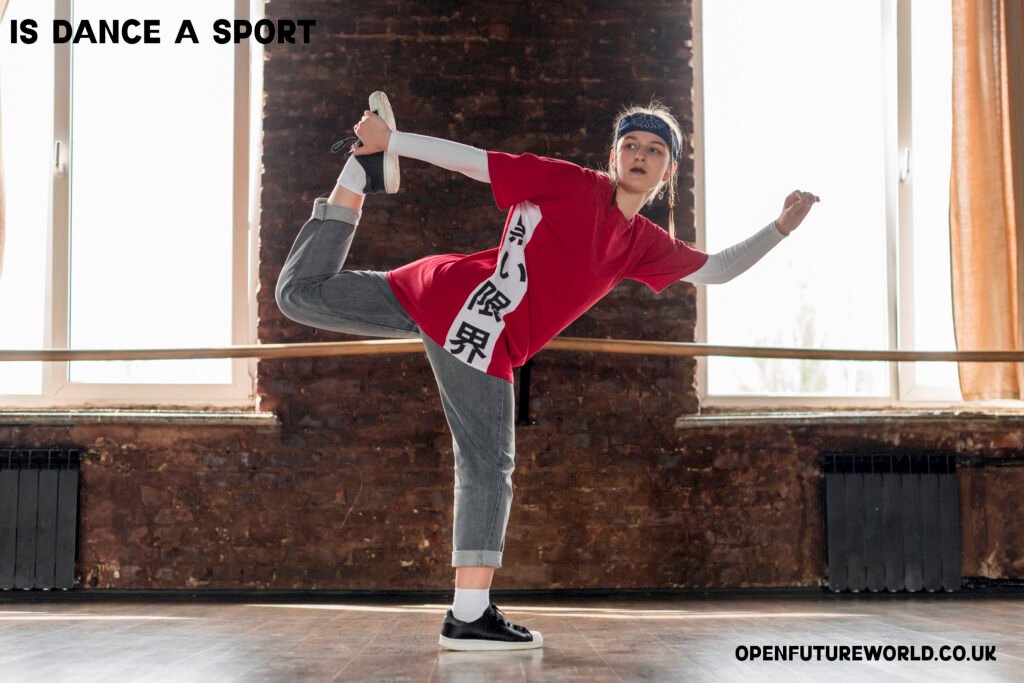
Is Dance a Sport
Is Dance a Sport has long been celebrated as a form of art, self-expression, and cultural storytelling. From classical ballet to contemporary hip-hop, dance captures human emotion in motion. But a debate often arises: is dance truly a sport? While some argue it’s purely an artistic endeavor, others insist it demands the same athleticism, dedication, and discipline found in traditional sports. This article delves into the evidence, experiences, and insights to answer this question comprehensively.
What Is Dance a Sport?
To determine whether dance qualifies as a sport, it’s essential to understand what a sport entails. A sport typically includes:
- Physical exertion: Participants must use strength, endurance, and agility.
- Skill and technique: Success depends on mastery of specific movements and strategies.
- Competition: Structured challenges, tournaments, or events often define a sport.
- Rules and standards: Clear guidelines and scoring systems ensure fairness.
Dance, surprisingly, aligns with each of these criteria. Competitive dance, for example, requires rigorous training, stamina, and precision, while performances are judged on technical execution and artistry.
The Physical Demands of Dance
Dancing is physically intense and comparable to many recognized sports. Professional dancers train for hours daily, developing:
- Strength: Core, leg, and arm muscles work constantly to maintain balance and lift partners.
- Endurance: Long rehearsals and performances require cardiovascular stamina.
- Flexibility: Dynamic movements demand a high range of motion in joints and muscles.
- Coordination and agility: Complex choreography tests reflexes and body control.
Consider ballet dancers performing multiple pirouettes or acrobatic lifts—they combine precision, speed, and power, often while maintaining grace and expression. Athletes in gymnastics, figure skating, and martial arts experience similar physical challenges.
Competitive Dance: Sport or Art?
Competitive dance brings the sporting aspect into focus. Dance competitions have clear rules, scoring systems, and athletic requirements:
- Judging criteria: Competitors are evaluated on technique, timing, execution, and performance quality.
- Events and leagues: National and international championships exist for styles like ballroom, hip-hop, and contemporary dance.
- Training regimen: Professional dancers practice for 6–8 hours a day, paralleling athletes’ training schedules.
For instance, ballroom dancers in competitions like the World DanceSport Federation Championships demonstrate endurance, agility, and precision, highlighting dance’s athletic dimension.
Dance Styles That Highlight Athleticism
While all dance styles require skill, some particularly emphasize sport-like qualities:
- Ballet: Known for its demanding techniques, lifts, and pointe work, ballet strengthens core and leg muscles intensely.
- Hip-hop: Explosive movements, acrobatics, and speed make hip-hop dancers highly athletic.
- Ballroom dance: Partnership coordination, stamina, and complex footwork demonstrate physical discipline.
- Contemporary and jazz: Combines flexibility, power, and improvisation in fluid routines.
These styles illustrate how dance blurs the line between art and sport, requiring both physical mastery and expressive creativity.
Dance vs. Traditional Sports
While dance shares athletic elements with traditional sports, critics often highlight differences:
- Scoring subjectivity: Dance is partially judged on artistic impression, unlike purely objective sports like running or swimming.
- Artistic expression: Movement conveys emotion and storytelling, which isn’t a requirement in most sports.
However, other judged sports—gymnastics, figure skating, and diving—also rely on both athletic performance and artistic impression. Dance fits comfortably within this paradigm.
Health and Fitness Benefits
Even for recreational dancers, the physical benefits are significant:
- Cardiovascular fitness: Continuous movement boosts heart health.
- Muscle strength and tone: Weight-bearing moves enhance muscle definition.
- Balance and coordination: Regular practice improves posture and motor skills.
- Mental health: Dance reduces stress, enhances creativity, and improves cognitive function.
Fitness programs like Zumba and aerobic dance combine sport-like intensity with musical enjoyment, further reinforcing the athletic component.
Real-Life Examples of Dance as a Sport
- Misty Copeland: The first African American principal dancer at the American Ballet Theatre, Copeland’s rigorous training and physical endurance mirror that of elite athletes.
- World of Dance Competitions: Contestants perform physically demanding routines, competing for global recognition.
- DanceSport: Recognized by the International Olympic Committee, DanceSport exemplifies dance’s competitive and athletic nature.
These examples demonstrate that dance is not just performance art—it is structured, disciplined, and physically demanding.
Why Dance Should Be Considered a Sport
Dance satisfies all the traditional elements of sport:
- Athletic training: Physical conditioning and stamina are essential.
- Competition and scoring: International dance competitions provide measurable achievements.
- Rules and structure: Dance has codified techniques and judging criteria.
- Dedication: Like any sport, success requires years of consistent practice.
Recognizing dance as a sport honors the discipline and skill required while encouraging broader participation and respect for dancers’ achievements.
The Cultural Significance of Dance
Beyond athleticism, dance carries cultural, social, and personal significance. It unites communities, celebrates heritage, and conveys emotions words cannot. This dual nature—as both art and sport—makes dance uniquely valuable. By acknowledging its sporting aspects, society can support dancers’ health, training, and career development.
Conclusion: Dance is Both an Art and a Sport
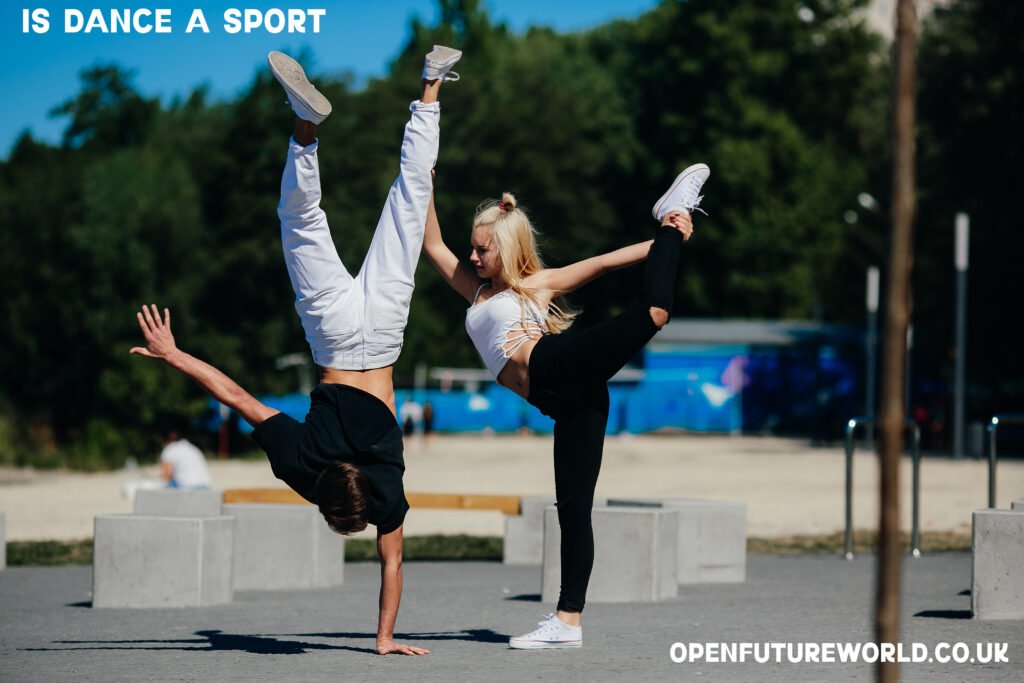
Dance transcends simple categorization. It is an art form that tells stories and evokes emotion, yet it demands the physical prowess, discipline, and competitive spirit of a sport. Recognizing dance as a sport validates the rigorous training dancers undergo and highlights their dedication and skill. Whether you are an aspiring dancer or a casual enthusiast, understanding dance’s athletic dimension enriches appreciation for every move, leap, and spin.
Call to Action: Embrace dance not only as a creative expression but also as a sport. Join a class, watch a competition, or try a dance-based workout to experience the perfect blend of art and athleticism yourself.
FAQs
1. Is dance recognized as a sport by the Olympics?
Yes, DanceSport is recognized by the International Olympic Committee and includes competitive ballroom and Latin dance.
2. Do dancers require athletic training?
Absolutely. Professional dancers train for hours daily, focusing on strength, flexibility, endurance, and coordination.
3. Can recreational dance count as exercise?
Yes, even non-competitive dance improves cardiovascular fitness, muscle strength, and mental well-being.
4. What dance styles are most athletic?
Ballet, hip-hop, contemporary, and ballroom dance require high levels of stamina, strength, and agility.
5. How does dance compare to judged sports like gymnastics?
Both require athletic skill and artistic expression. Like gymnastics, dance is evaluated on technique, execution, and presentation.