
Dental Implants Financing
Losing a tooth can affect more than just your appearance—it impacts confidence, speech, and even oral health. Dental implants are a long-lasting solution, but the cost can be a concern. Fortunately, dental implants financing options make it possible to restore your smile without paying everything upfront. Understanding these options can help you plan, budget, and achieve a healthy, confident smile.
Understanding Dental Implants
Dental implants are artificial tooth roots, usually made of titanium, that provide a stable foundation for replacement teeth. Unlike dentures or bridges, implants integrate with your jawbone, preventing bone loss and providing a natural look and feel. While the benefits are clear, the upfront cost often ranges from $3,000 to $6,000 per tooth, depending on the materials, complexity, and location. This is where financing can make a significant difference.
Why Dental Implants Financing Matters
Paying for dental implants in a single payment can be difficult for many patients. Dental implants financing allows you to:
- Spread the cost over months or years.
- Avoid delaying essential dental treatment due to budget concerns.
- Access high-quality dental care without compromising on materials or procedures.
Financing doesn’t just make implants more affordable—it can improve overall oral health by ensuring timely treatment.
Popular Dental Implants Financing Options
There are several ways to finance dental implants. Each has its own benefits and considerations:
1. Dental Payment Plans
Many dental offices offer in-house payment plans, allowing patients to pay in installments directly to the dentist. These plans are often interest-free or low-interest, making them a convenient choice.
Pros:
- Flexible payment schedules
- Simple application process
- Often no credit check required
Cons:
- May require an initial deposit
- Limited to participating dental offices
2. Third-Party Financing Companies
Companies like CareCredit, LendingClub, and GreenSky specialize in medical and dental financing. They allow patients to borrow the total cost and repay it in manageable monthly installments.
Pros:
- Quick online approval
- Can cover multiple procedures
- Offers promotional periods with low or no interest
Cons:
- Interest rates may increase after promotional periods
- Late payments can affect credit score
3. Personal Loans
A personal loan from a bank or credit union can also cover dental implants. This option is suitable for patients who prefer a single loan for multiple expenses.
Pros:
- Fixed monthly payments
- Can be used for any purpose
- Longer repayment periods
Cons:
- Requires good credit for favorable rates
- Interest rates may be higher than dental-specific financing
4. Credit Cards
Some patients use credit cards to pay for dental implants, especially if the card offers 0% introductory APR. While this can be convenient, it requires discipline to pay off before interest accrues.
Pros:
- Immediate access to funds
- Flexible repayment options
- Can earn rewards or cashback
Cons:
- High-interest rates after promotional period
- Risk of credit card debt
Tips for Choosing the Right Financing Option
Choosing the right financing option requires careful consideration. Here’s what to keep in mind:
- Interest Rates: Compare rates across options and watch for hidden fees.
- Repayment Terms: Longer repayment periods reduce monthly payments but may increase total cost.
- Credit Requirements: Check if your credit score meets the requirements.
- Flexibility: Look for options that allow early repayment without penalties.
- Promotions: Some companies offer 0% interest for 6–24 months, which can save money if paid on time.
Real-Life Example: Making Implants Affordable
Jane, a 42-year-old teacher, needed two dental implants but couldn’t pay the $8,000 total upfront. She opted for a CareCredit plan with 12 months interest-free financing. With monthly payments of $667, she was able to get her implants immediately, regain her confidence, and pay off the cost without stress.
This example highlights how financing can bridge the gap between necessary treatment and budget constraints.
The Benefits Beyond Affordability
Dental implants financing isn’t just about cost—it ensures you get timely, high-quality care. Some benefits include:
- Improved Oral Health: Prompt treatment prevents bone loss and maintains jaw structure.
- Long-Term Savings: Implants can last decades, reducing future dental expenses.
- Enhanced Confidence: A restored smile improves social interactions and self-esteem.
- Flexible Care Options: Financing lets you choose advanced implant materials and procedures.
Questions to Ask Your Dentist
Before committing to a financing plan, it’s essential to discuss these questions with your dentist:
- What is the total estimated cost, including consultations, surgery, and follow-ups?
- Are there any recommended payment plans offered in-house?
- Which third-party financing options are accepted?
- What happens if additional procedures are needed during treatment?
- Are there early repayment options without penalties?
Planning Your Budget
Even with financing, planning your budget is crucial. Consider:
- Monthly payment affordability
- Potential changes in income or expenses
- Emergency funds for unexpected dental needs
- Insurance coverage that may reduce out-of-pocket costs
Proper planning ensures you can complete your dental implant treatment without financial stress.
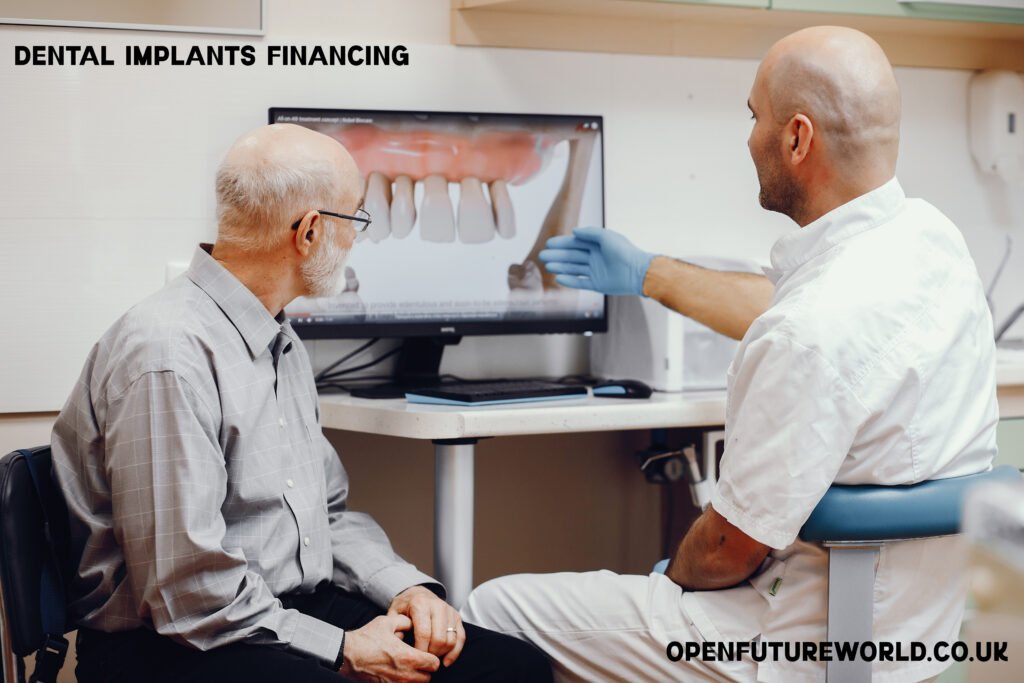
Conclusion: Achieve Your Smile Today
Dental implants can transform your life, restoring confidence, function, and health. Financing options make this life-changing procedure accessible to everyone, offering flexibility and peace of mind. By understanding your options, asking the right questions, and planning your budget, you can achieve a healthy smile without financial strain.
Take action today: Talk to your dentist about dental implants financing and start your journey toward a lasting, confident smile.
FAQs
Q: Can dental implants be financed with bad credit?
A: Some in-house plans and third-party companies accept patients with less-than-perfect credit, but interest rates may be higher.
Q: How long does it take to pay off dental implants?
A: Repayment terms vary, typically ranging from 6 months to 5 years, depending on the financing option.
Q: Are dental implant financing plans interest-free?
A: Many plans offer promotional 0% interest periods, but it’s important to confirm the terms before committing.
Q: Will insurance cover dental implants?
A: Some dental insurance plans cover a portion of the procedure, but coverage is often limited. Financing helps cover any remaining balance.
Q: Is financing better than a personal loan?
A: It depends on your financial situation. Dental-specific financing may offer lower interest rates and promotional periods, while personal loans provide flexibility for multiple expenses.