Composite Bonding Teeth
A confident smile can change the way you feel, speak, and connect with others. If you’ve ever felt self-conscious about chipped, stained, or uneven teeth, composite bonding teeth could be the fast and gentle solution you’ve been looking for. This modern cosmetic dental treatment improves the appearance of your teeth without the need for drilling, injections, or complicated procedures.
In this guide, you’ll discover how composite bonding works, who it’s best for, real-life results, costs, care tips, and answers to the most common patient questions.
What Is Composite Bonding Teeth?
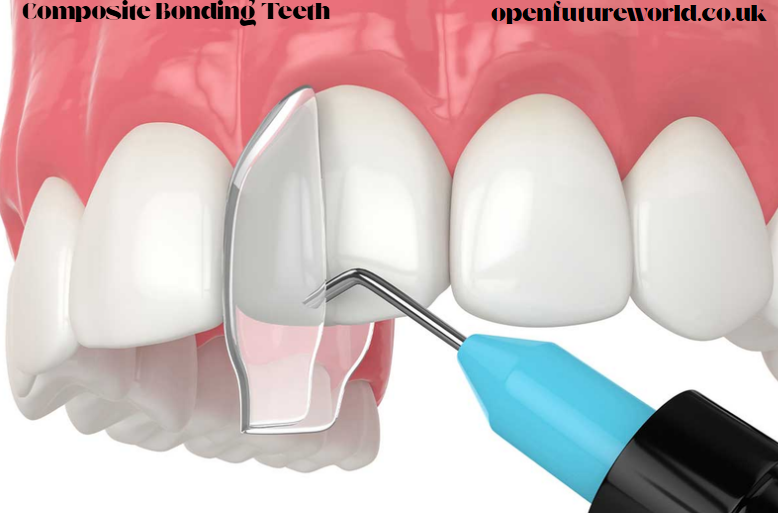
Composite bonding teeth is a cosmetic dental procedure where a tooth-colored resin material is applied to the surface of your teeth. The dentist carefully shapes and polishes the material so it blends naturally with your existing teeth.
Unlike veneers or crowns, this technique is minimally invasive. Most of the time, your natural tooth structure stays completely intact, making it one of the most conservative smile enhancement options available today.
Dentists commonly use composite bonding to improve:
- Chipped or cracked teeth
- Gaps between teeth
- Uneven or short teeth
- Discoloration that doesn’t respond to whitening
- Slightly crooked teeth
The treatment focuses on reshaping and restoring your natural smile, rather than replacing it.
How the Composite Bonding Procedure Works
The procedure is usually completed in a single visit and can take between 30 to 60 minutes per tooth.
Step-by-step process
First, your dentist will select a resin shade that closely matches your natural tooth color. Then, the surface of the tooth is gently prepared to help the material bond properly.
The composite resin is applied in layers. The dentist carefully sculpts and shapes it before using a special curing light to harden the material. Once hardened, the bonded area is trimmed and polished to match the natural shine of your surrounding teeth.
Most patients do not need anesthesia because the process is painless and non-invasive.
Key Benefits of Composite Bonding Teeth
This treatment has become popular worldwide because of its balance between results, safety, and affordability.
Here are the main advantages:
- No drilling or removal of healthy tooth structure
- Quick results, often in just one appointment
- Natural-looking finish
- More affordable than veneers or crowns
- Reversible in many cases
- Little to no discomfort
For people who want a fast smile makeover without permanent changes, composite bonding teeth is often an ideal choice.
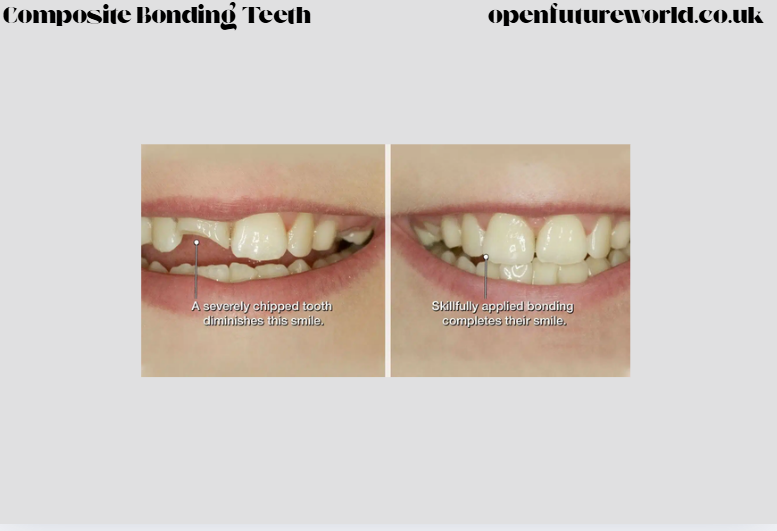
Real-Life Examples: How Bonding Changes Smiles
Many people choose composite bonding to fix small imperfections that affect their confidence.
A university student with a chipped front tooth after a sports injury was able to restore her smile within one hour. She reported feeling more confident in class presentations and social situations.
A working professional with gaps between his front teeth chose bonding instead of braces. Within one visit, the spaces were closed, improving both his speech and appearance.
These real-world results show that even small dental changes can bring powerful emotional and social benefits.
Composite Bonding vs Veneers vs Crowns
People often confuse these treatments, but they serve different purposes.
Composite Bonding
A resin material is added directly to your tooth. It is conservative, quick, and cost-effective.
Veneers
Thin porcelain shells are permanently attached to the front of the teeth. They offer long-lasting results but require removal of some tooth enamel.
Crowns
A cap that covers the entire tooth. Crowns are usually used for heavily damaged or weak teeth rather than cosmetic adjustments alone.
If your teeth are mostly healthy and you want cosmetic improvement, composite bonding teeth is usually the least aggressive option.
How Long Does Composite Bonding Last?
With proper care, composite bonding can last between 3 to 7 years or longer.
The lifespan depends on:
- Your oral hygiene routine
- Diet and habits
- The quality of the material used
- Your dentist’s skill and technique
Unlike veneers, bonding can be repaired and refreshed easily if it chips or wears down over time.
Cost of Composite Bonding Teeth
Costs vary depending on country, dentist expertise, and the number of teeth treated.
On average, composite bonding is:
- More affordable than veneers
- Less expensive than crowns
- Often priced per tooth
While exact prices differ, this treatment is usually considered one of the most cost-effective cosmetic dental options available.
Many dental clinics offer payment plans, making it more accessible for patients who want to improve their smile without financial strain.
Who Is a Good Candidate for Composite Bonding?
Most people with minor to moderate cosmetic dental concerns are suitable candidates.
You may be ideal for composite bonding teeth if you have:
- Generally healthy teeth and gums
- Minor chips, cracks, or gaps
- Mild discoloration
- Uneven tooth edges
However, if you grind your teeth heavily or have severe structural damage, your dentist may recommend alternative treatments.Aftercare Tips to Make Your Bonding Last Longer
Good aftercare plays a huge role in maintaining your new smile.
Follow these simple habits:
- Brush twice daily with a soft-bristled toothbrush
- Floss gently every day
- Avoid biting hard objects like ice, pens, or nails
- Limit coffee, tea, red wine, and staining foods
- Visit your dentist regularly for polishing and checkups
Unlike natural enamel, composite resin can stain over time, so preventive care is essential.
Dental Safety and Clinical Trust
Composite bonding is widely recognized as safe when done by a qualified dental professional. Major dental associations support the use of bonding materials for cosmetic and restorative purposes.
Modern composite resins are biocompatible, durable, and designed to mimic natural tooth enamel. Clinical studies show high patient satisfaction rates, particularly for appearance and comfort.
Choosing an experienced cosmetic dentist significantly increases the quality and longevity of results.
Emotional and Social Impact of Smile Improvement
A brighter, more even smile can influence more than just appearance.
Studies show that people who feel confident about their teeth:
- Smile more in photos
- Speak more comfortably in public
- Feel more positive in social interactions
- Experience higher self-esteem
Composite bonding teeth offers not just a cosmetic change, but an emotional uplift that many patients describe as life-changing.
Conclusion:
If you’re looking for a fast, gentle, and affordable way to improve your smile, composite bonding teeth is an excellent option. It delivers natural-looking results without drilling, pain, or long recovery times.
A beautiful smile is not just about looks. It’s about confidence, communication, and how you feel every single day.
If you’ve been thinking about fixing small imperfections in your teeth, now is the perfect time to consult a qualified cosmetic dentist and explore how composite bonding can transform your smile.
Frequently Asked Questions
What are composite bonding teeth?
Composite bonding teeth is a cosmetic dental treatment where tooth-colored resin is applied and shaped to improve the appearance of chipped, stained, or uneven teeth.
Is composite bonding painful?
No, the procedure is generally painless and usually does not require anesthesia.
How long does composite bonding last?
With proper care, composite bonding can last between 3 to 7 years or longer.
Can composite bonding fix gaps between teeth?
Yes, it is commonly used to close small to medium gaps between teeth.
Does composite bonding look natural?
Yes, when done by an experienced dentist, the result blends seamlessly with your natural teeth and looks very realistic.