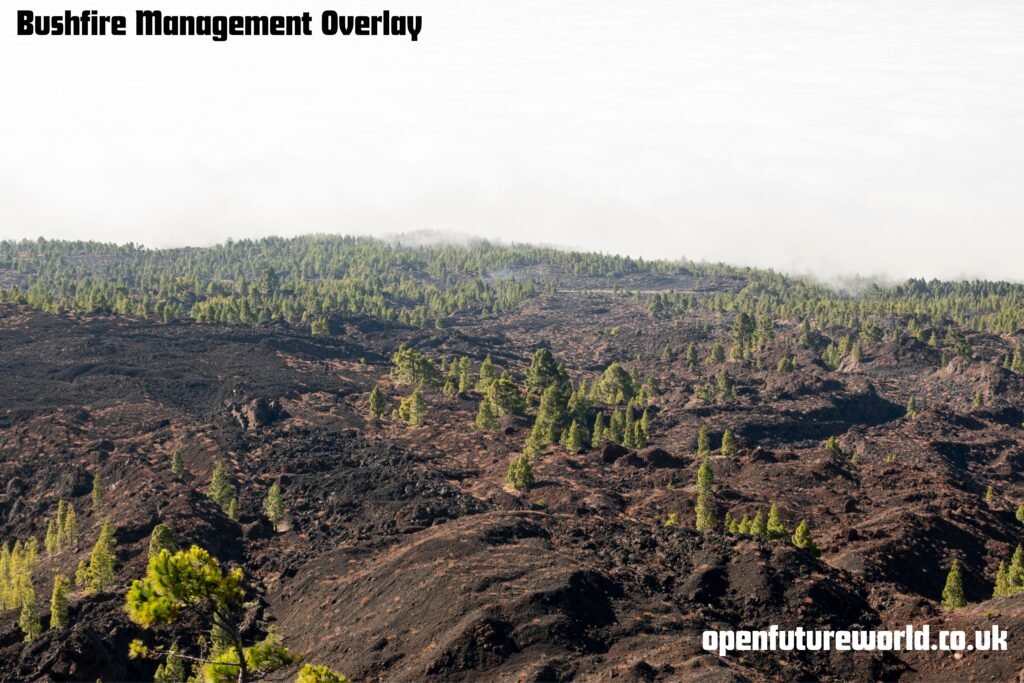
Bushfire risks are rising every year, and building in bushfire-prone areas requires careful planning. One of the most important bushfire planning tools homeowners and developers must understand is the Bushfire Management Overlay (BMO). Whether you’re buying land, planning a renovation, or constructing a new home, knowing how the BMO works can save you money, time, and stress. This guide simplifies everything you need to know about bushfire regulations, risk assessments, and construction compliance.
What Is a Bushfire Management Overlay (BMO)?
A Bushfire Management Overlay is a planning control applied to areas with high bushfire risk. It is used widely in Australia—especially in Victoria—to ensure new developments meet strict bushfire safety standards and mitigation requirements.
Purpose of the BMO includes:
- Reducing bushfire risks to life and property
- Ensuring buildings meet bushfire protection measures
- Managing vegetation and defendable space requirements
- Supporting community safety through better bushfire planning regulations
The BMO requires landowners to prepare a Bushfire Management Statement (BMS) as part of the bushfire planning permit application.
Why the BMO Matters: Rising Bushfire Threats
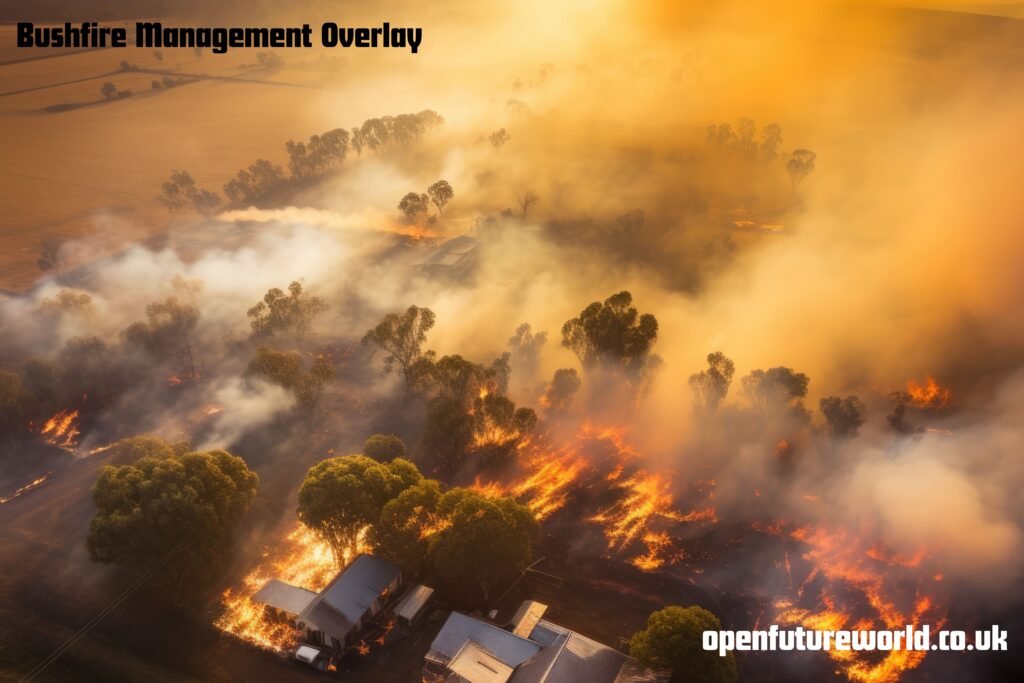
Australia’s fire seasons are becoming longer and more intense due to climate change. Research shows that bushfires cause billions of dollars in losses every year, alongside severe environmental damage.
Areas under the BMO have been classified as wildfire hazard zones and typically experience:
- Dense vegetation
- Strong winds
- Steep slopes
- Limited emergency access
The overlay ensures new developments can withstand ember attacks, radiant heat, and high fire intensity—key factors in bushfire survival.
How a Bushfire Management Overlay Affects Property Development
If your property falls within a BMO, you will likely need a planning permit for:
- New building projects
- Extensions or alterations
- Subdivisions
- Approved vegetation clearing activities
This is part of a broader bushfire mitigation strategy required under Australian bushfire planning laws.
Key Requirements Under the BMO
To receive planning approval, you may need to demonstrate compliance with:
1. Bushfire Attack Level (BAL) Assessment
A BAL assessment measures the fire intensity your property may face.
Common BAL ratings include:
- BAL 12.5 – Low risk
- BAL 19 – Moderate risk
- BAL 29 – High risk
- BAL 40 – Very high risk
- BAL FZ (Flame Zone) – Extreme risk
Higher BAL levels require stronger fire-resistant building materials, ember-proof openings, and increased structural protection.
2. Defendable Space Requirements
Defendable space refers to the area around the building that is actively managed to reduce bushfire fuel loads.
It typically includes:
- Vegetation reduction
- Strategic landscaping
- Fuel-load management
- Separation distances
Appropriate vegetation management significantly improves property survival during a bushfire event.
3. Water Supply & Access Standards
Homes built in BMO zones must meet strict bushfire water supply and fire-truck access requirements.
This includes:
- Static water supply tanks (often 10,000+ litres)
- Firefighter access points
- Driveways suitable for emergency vehicles
- Clearly marked emergency entry points
These standards support emergency bushfire planning and improve response times.
Steps to Comply with Bushfire Management Overlay Requirements
Step 1: Engage a Bushfire Consultant
A qualified bushfire professional prepares the Bushfire Management Statement (BMS) and BAL assessment—crucial for permit approval.
Step 2: Implement Construction Upgrades
Upgrades may include:
- Metal mesh screens
- Toughened glass
- Non-combustible cladding
- Sealed eaves
- Ember guards
These align with Australian bushfire construction standards (AS3959).
Step 3: Submit Your Planning Permit Application
Include:
- Bushfire Management Statement
- Site plans
- Landscaping plans
- Water supply documentation
Step 4: Maintain Ongoing Compliance
You must keep vegetation, access points, and fire protection features maintained year-round.
Common Challenges Faced by Property Owners in BMO Areas
- Higher construction costs due to BAL upgrades
- Delays from complicated bushfire planning permit processes
- Confusion about vegetation clearing rules
- Difficulty achieving defendable-space distances on small or sloped blocks
Despite these challenges, proper planning significantly increases long-term safety and property resilience.
Real-Life Example: Success After BMO Compliance
A Victorian homeowner in a BAL-29 zone upgraded their home with non-combustible cladding, ember-proof vents, and a 20-meter defendable space buffer. During a major fire event, the home survived with minimal damage—proving the effectiveness of bushfire protection measures and mitigation planning.
Benefits of the Bushfire Management Overlay
- Greater safety for residents
- Reduced loss during fire events
- Improved emergency response access
- Long-term property resilience
- Better integration with national bushfire building standards
- Protection of surrounding landscapes
Internal Linking Suggestions
You can interlink this article with related topics such as:
- How to Prepare Your Home for Bushfire Season
- BAL Ratings Explained: What Homeowners Need to Know
- Fire-Resistant Building Materials for Bushfire Zones
- Vegetation Management Tips for Bushfire Safety
- Bushfire Risk Assessment Guide
Conclusion
A Bushfire Management Overlay is more than just a planning requirement—it’s a crucial framework designed to protect lives, properties, and local ecosystems. Understanding BMO rules, BAL ratings, and bushfire design standards ensures you’re prepared, compliant, and resilient.
If you’re planning to build or buy in a bushfire-prone area, get expert guidance today.
Contact us for assistance, explore more guides, or join our bushfire-preparedness course.
FAQs (People Also Ask)
1. What does a Bushfire Management Overlay mean?
It means your property is located in a high-risk bushfire area and must meet specific bushfire planning and construction requirements.
2. Do I need a planning permit in a BMO area?
Yes. Most construction projects, renovations, and vegetation removal activities require a bushfire planning permit.
3. How much does a BAL assessment cost?
A BAL assessment typically ranges from $300 to $1,000, depending on location and site complexity.
4. Can I build in a BAL-FZ (Flame Zone)?
Yes, but construction costs are significantly higher and require strict compliance with AS3959 flame-zone building standards.
5. What is a defendable space?
It is a fuel-managed zone around a building designed to reduce bushfire intensity and help protect the property during fire events.