mochi health
Introduction
Mochi is everywhere—Instagram recipes, viral TikTok desserts, and trendy Asian bakeries. But beyond its chewy texture and irresistible flavor, people are asking a new question: “Is mochi healthy?”
This complete guide explores mochi health benefits, nutrition facts, risks, weight-loss considerations, and expert tips to enjoy it safely and mindfully.
What Is Mochi?
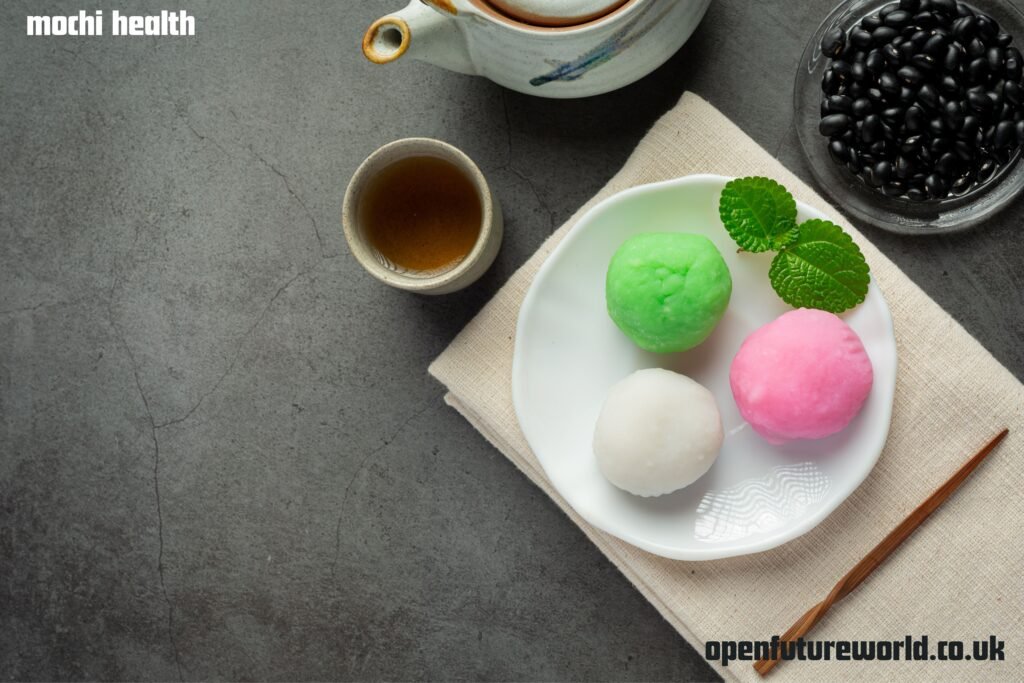
Mochi is a traditional Japanese food made by pounding glutinous rice (also called sticky rice or mochigome) into a soft, stretchy, dough-like texture. Today, mochi appears in countless variations, including:
- Mochi ice cream
- Daifuku (mochi stuffed with sweet filling)
- Savory mochi
- Matcha mochi
- Protein mochi
- Gluten-free mochi variations
Because of its rise in global popularity, consumers are increasingly interested in mochi health impacts—from calories to allergens to digestive concerns.
Is Mochi Healthy? A Complete Nutritional Breakdown
Typical Nutritional Facts (Per 1 plain mochi piece — 44g)
Calories: ~96
Carbs: 22g
Protein: 1g
Fat: 0.2g
Fiber: 0.9g
Sugar: 6g
So, is mochi healthy?
Yes—when eaten in moderation. Mochi is low in fat, low in cholesterol, and offers quick energy. However, it is high in carbs and can contain added sugars depending on the filling.
Healthy ingredients typically found in mochi
- Glutinous rice flour
- Water
- Natural flavorings (matcha, red bean, mango, strawberry)
- Minimal oil or fat
Because of its simplicity, plain mochi can be a healthier dessert choice than cakes, pastries, or ice cream.
Health Benefits of Mochi
Mochi may seem like a dessert, but it offers surprising benefits—especially when compared to ultra-processed Western sweets.
1. Provides Quick Energy
Mochi is rich in carbohydrates, making it a fast energy source.
It’s popular among:
- Students
- Athletes
- Runners
- Hikers
Traditional Japanese culture even serves mochi on New Year’s for strength and vitality.
2. Naturally Low in Fat
Unlike donuts, chocolate bars, or cakes, plain mochi contains less than 1 gram of fat.
This makes it appealing for:
- Low-fat diets
- Heart-healthy meal plans
- Weight-conscious consumers
3. Gluten-Free by Nature
Because mochi is made from glutinous rice (which contains no gluten, despite the name), it is ideal for:
- Celiac patients
- Gluten-sensitive individuals
4. Rich in Minerals
Glutinous rice contains:
- Selenium
- Magnesium
- Manganese
- B vitamins
These support metabolism, bone strength, and cellular health.
5. Customizable for Health Goals
Depending on your diet, you can choose:
- High-protein mochi
- Low-sugar mochi
- High-fiber mochi
Mochi bowls, mochi oatmeal, and mochi waffles have become trending for meal prepping.
Common Health Risks of Mochi
Not everything about mochi is perfect. Certain concerns must be addressed—especially for general safety.
1. Choking Hazard
Mochi is famously chewy and sticky, which can make swallowing difficult, especially for:
- Elderly people
- Toddlers
- Anyone with swallowing disorders
Japan reports a few choking incidents every New Year, raising awareness globally.
Safety Tip:
Cut mochi into small pieces and chew slowly.
2. High in Carbohydrates
If you have:
- Type 2 diabetes
- Insulin resistance
- Prediabetes
Then mochi’s carb content can spike blood sugar levels.
Blood Sugar Tip:
Choose low-sugar or sugar-free varieties.
3. Potential Allergens in Fillings
While mochi itself is allergy-friendly, fillings may contain:
- Dairy
- Peanuts
- Wheat
- Soy
Always check labels.
4. Mochi Ice Cream Contains More Calories
One mochi ice-cream ball has:
- 100–120 calories
- ~20g sugar
This is higher than plain mochi.
Is Mochi Good for Weight Loss?
Here’s the simple answer:
Mochi can fit into a weight-loss diet, but portion control is key.
Why it can help
- Low in fat
- Moderately low calorie
- Satisfying texture
- Small portion size
Why it may hurt
- High in carbs
- High sugar in dessert versions
- Easy to overeat
Best Weight-Loss Options
✔ Low-sugar mochi
✔ Protein mochi
✔ Brown rice mochi
✔ Frozen fruit-filled mochi
Types of Mochi and Their Health Impact
1. Plain Mochi
- Healthiest option
- Low sugar
- Good for energy
2. Mochi Ice Cream
- Higher sugar
- Higher fat
- Occasional treat
3. Daifuku (Red Bean Mochi)
- Contains protein and fiber
- Less sugary
4. Matcha Mochi
Matcha offers:
- Antioxidants
- L-theanine
- Metabolism-boosting properties
5. Protein Mochi
Often includes:
- Whey protein
- Almond butter
- Greek yogurt fillings
6. Savory Mochi
Used in soups or grilled dishes.
Lower sugar = healthier.
How Many Calories Are in Mochi?
Calories depend on type:
Plain mochi: 90–100
Red bean mochi: 110–130
Mochi ice cream: 100–140
Matcha mochi: 95–120
Chocolate mochi: 120–160
Savory mochi soup: 80–100
Is Mochi Good for Gut Health?
Yes—when made from whole-grain or brown rice flour, mochi contains more fiber.
Benefits include:
- Better digestion
- Reduced constipation
- Sustained energy
- Balanced blood sugar
However, traditional white rice mochi contains minimal fiber.
How Often Should You Eat Mochi?
Most nutritionists recommend:
- 1–2 pieces per serving
- 2–3 times per week
This prevents excessive sugar and carb intake.
Healthy Ways to Eat Mochi
1. Add mochi to smoothie bowls
Combine with:
- Berries
- Chia seeds
- Greek yogurt
2. Use savory mochi
Add to miso soup or grill.
3. Choose fruit fillings
- Mango
- Strawberry
- Blueberry
- Banana
4. Make air-fryer mochi bites
Cut sugar and oil.
Does Mochi Have Any Vitamins?
While not rich in vitamins, mochi includes:
- B vitamins
- Vitamin E
- Minerals like selenium and magnesium
These support energy metabolism and immunity.
Mochi vs. Other Desserts
Compared to donuts, cookies, and cakes, mochi is:
Donut: 250–300 calories, high fat, high sugar
Cupcake: 250–400 calories, high fat, high sugar
Mochi ice cream: 100–140 calories, moderate sugar
Plain mochi: 90–100 calories, low sugar, low fat
Can You Eat Mochi Everyday?
Yes—in moderation.
Choose:
- Plain mochi
- Brown rice mochi
- Light fillings
Avoid:
- Multiple servings
- High-sugar ice cream daily
Is Mochi Vegan?
✔ Plain mochi is vegan
✔ Red bean mochi is vegan
✔ Matcha mochi is vegan
✘ Mochi ice cream is not vegan unless dairy-free
Practical Tips to Choose Healthy Mochi
- Read labels
- Avoid artificial syrups
- Prefer ≤8g sugar per piece
- Choose organic rice
- Pick fruit-filled or protein mochi
Conclusion
Mochi can absolutely be part of a healthy lifestyle. It’s chewy, delicious, gluten-free, and lower in fat than most desserts. With smart choices—like fruit-filled or plain mochi—you can enjoy it without compromising your health goals.
Want more evidence-based food guides like this?
Explore our nutrition blogs or contact us to request a custom dietary guide!
FAQs (People Also Ask)
1. Is mochi a healthy snack?
Yes, mochi is a low-fat, moderate-calorie snack that can be healthy in moderation.
2. Is mochi healthier than ice cream?
Plain mochi is healthier. Mochi ice cream contains more sugar and fat.
3. Can diabetics eat mochi?
They can—but sparingly. Mochi is high in carbs, so portion control and low-sugar varieties are important.
4. Is mochi good for weight loss?
Yes, if eaten in small portions. Plain or fruit-filled options are best.
5. Why is mochi dangerous?
Its sticky texture can cause choking if eaten too quickly or in large pieces.
6. Is mochi gluten-free?
Yes. Glutinous rice does not contain gluten.