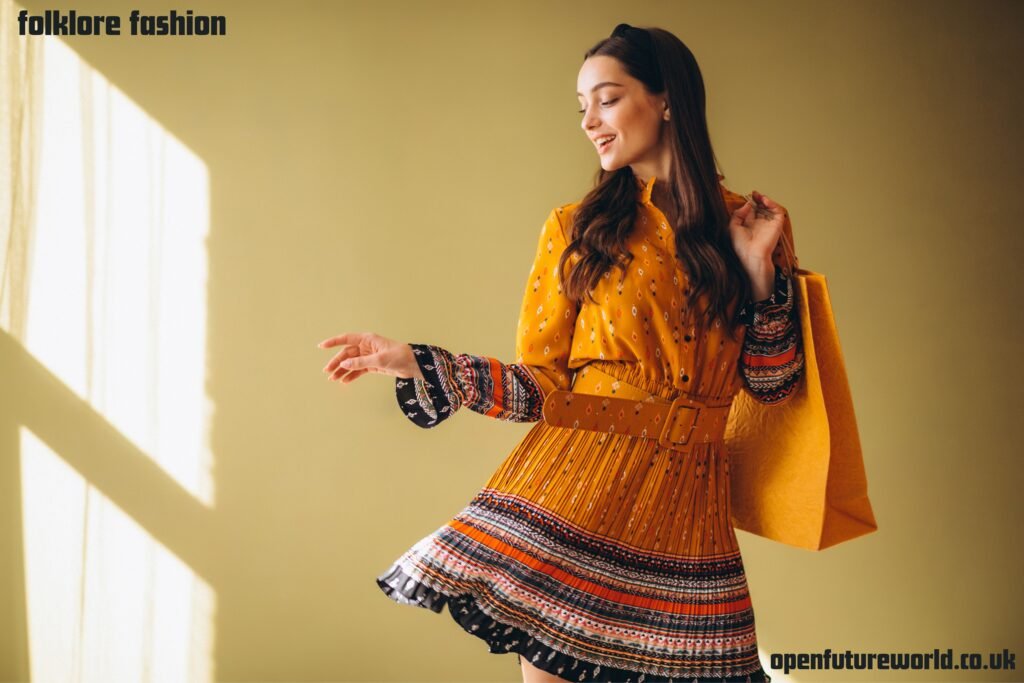
folklore fashion
Folklore fashion is more than a style trend—it’s a storytelling movement that blends traditional fashion with modern aesthetics. In 2025, designers, creators, and conscious consumers are embracing heritage-inspired clothing, folk-style outfits, and artisanal fashion pieces that celebrate culture, craftsmanship, and identity. From embroidered jackets to hand-woven textiles, folklore fashion bridges past and present, creating a look that’s both nostalgic and timeless.
What Is Folklore Fashion?
Folklore fashion refers to clothing inspired by traditional cultures, ethnic wear, and handcrafted garments rooted in heritage. This style often includes:
- Intricate embroidery
- Hand-woven fabrics
- Natural dyes
- Cultural motifs
- Artisanal craftsmanship
It merges traditional attire with contemporary silhouettes, making it a favorite among sustainable fashion enthusiasts, boho fashion lovers, and global designers exploring ethnic-inspired style.
Why Folklore Fashion Is Trending in 2025
Folklore fashion is booming due to cultural revival, sustainability trends, and renewed interest in cultural fashion globally.
1. Rise of Sustainable and Slow Fashion
According to a 2024 Statista report, 43% of consumers prefer heritage fashion and garments made with traditional craftsmanship because they last longer and support local artisans. fashion aligns with this global shift toward eco-friendly, handcrafted clothing.
2. Cultural Revival and Identity
Around the world, people are reconnecting with their roots. Wearing folklore-inspired clothing allows individuals to:
- Celebrate heritage
- Support indigenous artisans
- Preserve cultural traditions
- Embrace ethnic and tribal fashion
3. High Fashion Embracing Folk Elements
Luxury houses like Dior, Gucci, and Etro are incorporating folk clothing into their collections—from Ukrainian vyshyvanka blouses to Indian mirror-work patterns and Mexican embroidery.
4. Social Media Boost
Platforms like Instagram, Pinterest, and TikTok have boosted bohemian outfits, global folk fashion, and cultural textiles. Hashtags like #FF, #EthnicStyle, and #BohoFashion consistently trend.
Key Elements of Folklore Fashion
1. Embroidery and Handcrafted Details
Folklore fashion celebrates handwork, often incorporating:
- Cross-stitch
- Appliqué
- Beadwork
- Mirror work
- Patchwork
These techniques add texture, personality, and authenticity to garments—true hallmarks of artisan fashion.
2. Natural and Earthy Color Palettes
Common earthy tones include:
- Terracotta
- Indigo
- Olive green
- Mustard
- Deep reds
These shades often come from ancient dyeing techniques used in cultural fashion and traditional attire.
3. Organic Textiles
Popular materials include:
- Linen
- Wool
- Organic cotton
- Hemp
- Silk
These sustainable textiles support slow fashion and are staples in global folk clothing.
4. Cultural Patterns and Motifs
Examples include:
- Nordic geometric prints
- South Asian paisleys
- Eastern European florals
- African tribal patterns
- Mexican Otomi embroidery
Each motif carries symbolic meaning—nature, spirituality, unity, or strength—making folklore fashion deeply meaningful.
How to Style Folklore Fashion in Everyday Outfits
1. Start with Statement Pieces
Choose one folklore-inspired piece, such as:
- Embroidered jacket
- Folk-patterned skirt
- Hand-woven shawl
Pair with minimalist basics for a clean, modern look.
2. Mix Modern and Traditional
Examples include:
- Folk blouse with high-waist jeans
- Traditional jewelry with a modern dress
- Tribal-print jacket with boots for a boho-chic outfit
This blend creates fresh, folklore fashion fashion-forward looks rooted in heritage fashion.
3. Use Neutral Accessories
Neutral footwear, belts, and bags highlight the folk elements without overwhelming the ensemble.
4. Embrace Layering
Folklore fashion layers beautifully:
- Vests
- Scarves
- Shawls
- Wrap skirts
Layering adds dimension and creates a rustic, bohemian vibe perfect for folk-style outfits.
Global Examples of Folklore Fashion
Eastern Europe
- Ukrainian vyshyvanka blouses
- Romanian embroidered shirts
- Polish folk skirts
South Asia
- Ajrak block prints
- Kutchi mirror work
- Rajasthani tie-dye
Latin America
- Mexican Otomi embroidery
- Peruvian alpaca garments
- Guatemalan huipils
Africa
- Maasai beadwork
- West African Ankara prints
- Ethiopian woven shawls
These regional styles showcase the diversity and richness of global folk fashion.
Folklore Fashion in Pop Culture
Celebrities like Taylor Swift, Zendaya, and Harry Styles have embraced ethnic-inspired clothing in music videos and red-carpet appearances. Taylor Swift’s Folklore era sparked a surge in rustic, cottagecore, and bohemian outfits.
Influencers also spotlight folk jackets, vintage folk trends, and artisanal accessories, helping folklore fashion reach a new generation.

1. Sustainable and Ethical
Folklore pieces support artisans, promote traditional skills, and align with ethical fashion practices.
2. Unique and Personal
Each handcrafted item is one-of-a-kind, adding personality to your wardrobe.
3. Versatile
Folklore fashion blends seamlessly with:
- Boho fashion
- Minimalist style
- Contemporary fashion trends
4. Timeless
Folk clothing never fades. Its cultural depth makes it a forever trend.
Conclusion
Folklore fashion is more than a trend—it’s a celebration of culture, heritage, and craftsmanship. With its emphasis on authenticity, sustainability, and storytelling, heritage fashion and ethnic wear will continue to shape the future of global style.
Want more fashion insights? Read more of our guides or contact us today to collaborate on a folklore-inspired collection.
FAQs (People Also Ask)
1. What does folklore fashion mean?
Folklore fashion refers to clothing inspired by cultural traditions, handcrafted techniques, and heritage textiles from different regions.
2. Why is FF so popular now?
It supports sustainable fashion, artisan communities, and offers authentic styles that connect people to culture.
3. How do you style FF?
Pair one folklore piece—like a folk blouse or embroidered shawl—with modern basics such as jeans or boots.
4. Is folklore fashion sustainable?
Yes. It uses natural dyes, handmade techniques, and eco-friendly textiles, aligning with slow fashion values.
5. Which cultures influence folklore fashion the most?
Key influences come from Eastern Europe, Latin America, Africa, South Asia, and Nordic regions.