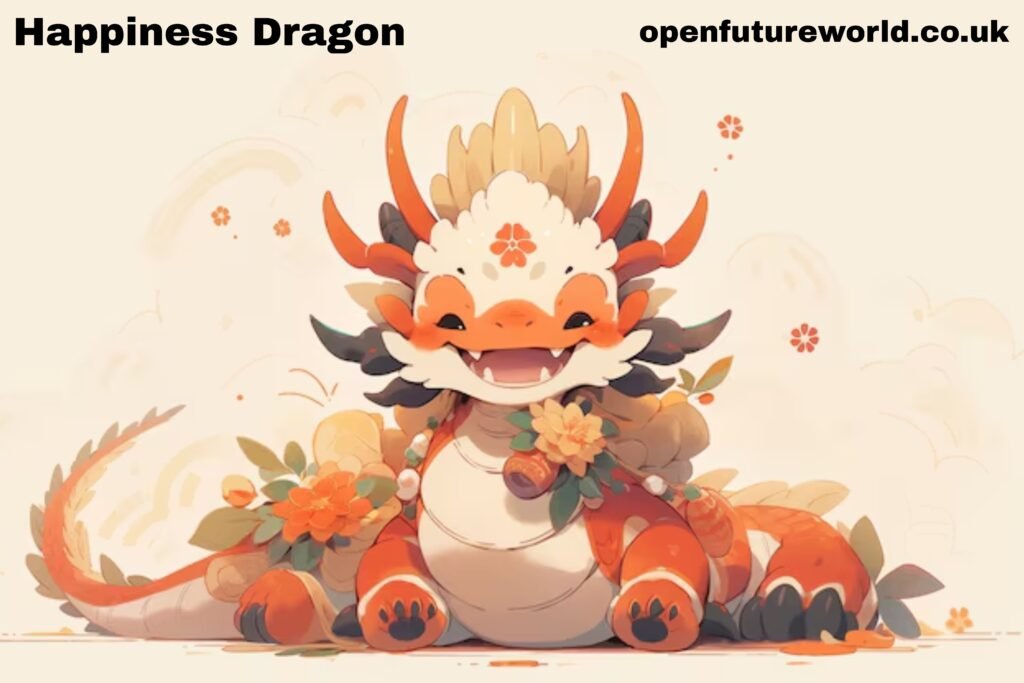
Happiness Dragon
Introduction
Imagine happiness as a dragon. Powerful, rare, and deeply misunderstood. When treated with respect, it protects your inner world and brings warmth, confidence, and purpose. When ignored or chased carelessly, it disappears or turns destructive.
The idea of the happiness dragon is a powerful metaphor for modern life. Many people chase happiness aggressively, hoping to capture it once and for all. Others fear it, believing joy never lasts. The truth sits somewhere in between. Happiness is not something you conquer. It is something you understand, nurture, and protect.
This guide explores what the happiness dragon really represents, why so many people struggle to keep it alive, and how you can build a life where joy becomes steady rather than fleeting.
What Is the Happiness Dragon?
The happiness dragon symbolizes sustainable happiness. Not constant excitement or forced positivity, but a balanced emotional state built on meaning, self-awareness, and healthy habits.
In ancient myths, dragons were guardians of treasure. In real life, happiness guards something even more valuable: mental well-being, resilience, and long-term satisfaction.
The happiness dragon represents:
- Emotional balance, not emotional extremes
- Inner peace, not external validation
- Growth, not instant pleasure
When you understand this, happiness stops feeling fragile and starts feeling achievable.
Why Happiness Feels So Hard to Hold
Many people believe happiness should be permanent. Research shows otherwise. According to studies in positive psychology, emotions naturally rise and fall. The problem is not that happiness fades. The problem is how we respond when it does.
Common reasons people lose touch with their happiness dragon include:
- Constant comparison through social media
- Chasing goals without purpose
- Ignoring mental and physical health
- Living on autopilot instead of with intention
When happiness becomes a performance or a finish line, it slips away.
The Science Behind Sustainable Happiness
Psychology offers clear insights into what truly supports long-term happiness. Data from the Harvard Study of Adult Development, one of the longest-running studies on happiness, shows that quality relationships matter more than wealth, fame, or success.
Other research-backed contributors include:
- Consistent routines
- Physical movement
- Meaningful work or contribution
- Emotional regulation skills
The happiness dragon thrives in environments that feel safe, purposeful, and connected.
How to Find Your Happiness Dragon
Finding happiness does not require a dramatic life change. It begins with awareness.
Pay Attention to Energy, Not Just Emotions
Instead of asking, “What makes me happy?” ask:
- What drains my energy?
- What gives me quiet satisfaction?
- When do I feel most like myself?
Energy patterns reveal more than mood swings.
Identify Your Core Values
Happiness grows when actions align with values. If freedom matters to you, but your life feels rigid, joy will struggle to survive.
Common values linked to long-term happiness include:
- Growth
- Connection
- Creativity
- Stability
- Contribution
Clarifying values gives your happiness dragon a clear home.
How to Feed the Happiness Dragon Daily
Happiness needs regular care. Small, consistent habits matter more than rare breakthroughs.
Simple Daily Practices That Work
You do not need perfection. You need consistency.
Effective habits include:
- 10–20 minutes of movement
- Exposure to natural light
- One meaningful conversation
- A short gratitude reflection
- Limiting digital overload
Studies show that people who practice gratitude just three times per week report higher life satisfaction within one month.
Protecting Happiness from Modern Threats
Modern life constantly attacks focus and emotional stability. Protecting happiness requires boundaries.
Digital Overstimulation
Endless scrolling trains the brain to seek dopamine instead of contentment. Reducing screen time improves mood regulation and sleep quality.
Burnout Culture
Working without rest damages mental health. Sustainable happiness includes recovery, not just productivity.
Toxic Positivity
Forcing happiness invalidates real emotions. Healthy joy allows sadness, stress, and fear without shame.
Protecting your happiness dragon means allowing emotional honesty.
Real-Life Examples of Sustainable Happiness
Consider two professionals with similar incomes and lifestyles.
Person A works constantly, chases promotions, and avoids rest. Person B sets boundaries, invests in relationships, and pursues meaningful goals.
Over time, research shows Person B reports:
- Lower stress levels
- Better physical health
- Higher life satisfaction
The difference is not success. It is alignment.
The Role of Purpose in Happiness
Happiness without purpose fades quickly. Purpose gives happiness direction.
Purpose does not need to be grand. It can be:
- Raising a family with care
- Building a skill over time
- Helping others consistently
- Creating something meaningful
When happiness connects to purpose, it becomes resilient.
Teaching Children About the Happiness Dragon
Children learn emotional habits early. Teaching them that happiness is something to care for, not chase, builds emotional intelligence.
Helpful lessons include:
- Emotions change, and that is normal
- Effort matters more than outcome
- Rest is not laziness
- Kindness strengthens happiness
These lessons create adults who respect their inner world.
Signs Your Happiness Dragon Is Thriving
You may not feel happy every moment, but you will notice:
- Faster emotional recovery
- Less comparison with others
- Greater self-trust
- More gratitude for simple moments
These are signs of emotional strength, not weakness.
Common Myths About Happiness
Myth 1: Happiness Means No Problems
Reality: Happy people still face challenges. They just respond differently.
Myth 2: Success Brings Happiness
Reality: Happiness often fuels success, not the other way around.
Myth 3: You Should Always Feel Happy
Reality: Emotional flexibility matters more than constant joy.
Breaking these myths frees your happiness dragon from unrealistic expectations.
Building a Long-Term Happiness System
Instead of chasing happiness, build a system that supports it.
A strong system includes:
- Healthy routines
- Supportive relationships
- Emotional awareness
- Meaningful goals
- Regular reflection
Systems survive motivation dips. Goals alone do not.
Happiness Dragon in Times of Stress
Stress does not kill happiness. Suppressed emotions do.
During difficult periods:
- Reduce expectations
- Focus on basics like sleep and nutrition
- Stay connected to others
- Practice self-compassion
Even dragons need rest during storms.
Conclusion: Let the Happiness Dragon Be Your Guide
The happiness dragon is not a fantasy. It is a reminder that joy is alive, responsive, and deeply connected to how you live each day.
Stop chasing happiness like a prize. Start caring for it like a powerful companion. When you create space for balance, purpose, and honesty, happiness becomes something you carry, not something you lose.
Call to Action:
Take one small step today. Identify one habit, boundary, or value that will protect your happiness dragon this week and commit to it fully.
Frequently Asked Questions (FAQs)
What does the happiness dragon symbolize?
The happiness dragon symbolizes sustainable, balanced happiness built through habits, purpose, and emotional awareness rather than constant pleasure.
Can happiness really be maintained long term?
Yes. Research shows that while emotions fluctuate, consistent habits and meaningful relationships support long-term well-being.
Why do people feel guilty about being happy?
Social comparison, cultural pressure, and trauma can make happiness feel unsafe or undeserved, but joy does not require justification.
Is happiness a choice or a feeling?
Happiness is both. You cannot control emotions, but you can choose behaviors and environments that support positive emotional states.
How long does it take to improve happiness?
Small changes can improve mood within weeks. Long-term happiness grows gradually through consistent habits and alignment with values.